We All Love Jesus Wall Art: An Embroidery Review
As a professional embroidery designer and product reviewer, I approach every new digital asset with a specific question: will this actually stitch out beautifully on a finished product? When evaluating We All Love Jesus Wall Art, my perspective shifts from simple graphic appreciation to practical manufacturing analysis. This design package, categorized under Backgrounds and Graphics, offers high-resolution PNG files that serve as excellent source material for digitizing or sublimation, but they require a trained eye to translate into successful textile art. For Etsy sellers, craft business owners, and makers creating faith-based merchandise, understanding the transition from pixel to stitch is vital for maintaining quality and customer trust.
First Impressions and Visual Mood
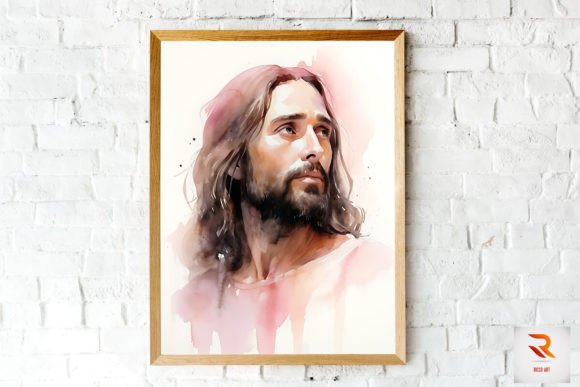
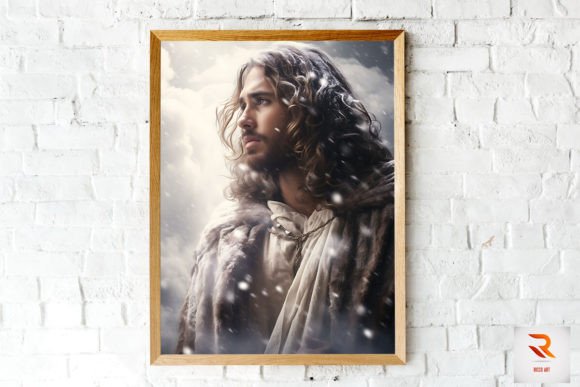
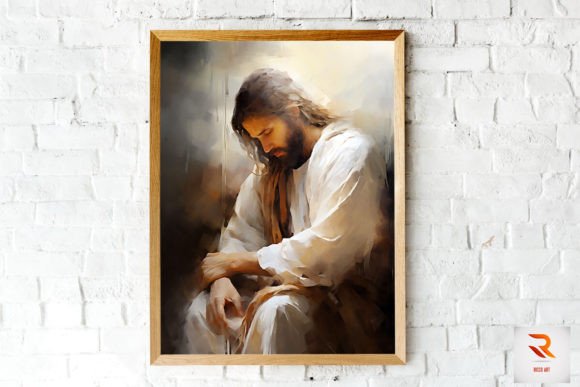
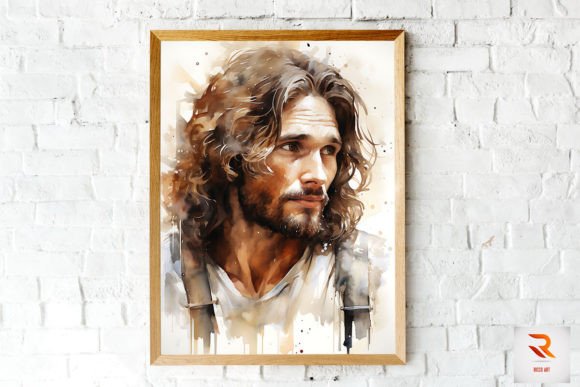
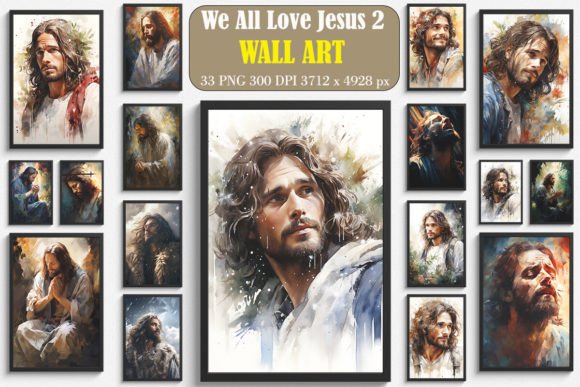
Upon opening the file set, the immediate impression of We All Love Jesus Wall Art is one of warmth and traditional reverence. The layout suggests a vertical orientation, given the approximate dimensions of 3712 x 4928 pixels at 300 DPI. This aspect ratio naturally lends itself to specific embroidery projects rather than others. Visually, the design carries a mood that is comforting and declarative without being overly ornate. For a maker, this is a significant advantage. Designs that are too cluttered often lose their impact when converted into thread, but this artwork appears to have enough negative space and clear focal points to remain legible after stitching.
The high resolution is a critical factor here. At 300 DPI, the edges are crisp enough to serve as a reliable tracing template for manual digitizing. If you are using auto-digitizing software, this clarity helps the program distinguish between foreground elements and background textures, reducing the cleanup time required before you can load the embroidery file into your machine. The visual personality feels suited for items meant to be cherished, such as nursery decor or personalized gifts, rather than fast-fashion apparel.
Real-World Application: Stitching a Custom Tote Bag
To truly evaluate this asset, I mentally placed it into a real-life production scenario. Imagine preparing a custom embroidered tote bag for a church retreat or a boutique holiday collection. A tote bag provides a stable, flat canvas that mimics the vertical proportions of We All Love Jesus Wall Art. In this context, the design would likely function best as an applique design combined with detailed fill stitch areas.
When planning this project, I would consider how the graphics translate to fabric texture. Canvas totes absorb ink and thread differently than smooth polyester. Because this is a graphic source, I would use the PNG as a guide to create distinct layers. The larger shapes could be covered in cotton fabric with a satin stitch border, while the finer details—perhaps rays of light or floral accents—would be rendered in running stitch or lightweight fill stitch. This mixed-media approach preserves the integrity of the original art while ensuring the tote bag remains functional and not too heavy with excessive stitch density. Customers looking for handmade products value this tactile variety; it signals professional craftsmanship over generic mass production.
Navigating Fabric Limitations and Hoop Sizes
While the vertical format is perfect for totes and wall hangings, it presents challenges for other substrates. As an experienced reviewer, I must advise caution when adapting We All Love Jesus Wall Art for curved surfaces like caps or small chest logos on baby embroidery projects. The pixel dimensions suggest a tall composition. Attempting to shrink this significantly to fit a 4x4 hoop size may result in lost detail or text that becomes illegible once stitched.
Furthermore, consider the stabilizer requirements. If you are applying this design to stretchy fabrics like sweatshirt embroidery or knit baby clothes, the vertical nature of the design means there is significant pull in the up-and-down direction. You will need a robust cut-away stabilizer to prevent puckering. On textured fabrics like terry cloth tea towels or fleece blankets, the intricate details of the original graphic might get swallowed by the pile. In these cases, I recommend adding a knockdown stitch layer beneath the design or simplifying the artwork during the digitizing phase to ensure the message reads clearly against the fabric texture.
Commercial Viability for Small Business Owners
For Etsy sellers and creative entrepreneurs, time is money. We All Love Jesus Wall Art offers versatility because it includes 33 PNG files. This volume allows for product line expansion without additional design fees. However, commercial embroidery requires consistency. Before listing any finished product, you must verify how the design interacts with different thread colors. Faith-based art often relies on specific color symbolism. Test your palette on scrap fabric first to ensure the emotional tone matches the original graphic.
This asset also excels in the pre-sale phase. Because the files are high-resolution graphics, they are perfect for creating printable mockups. You can place the design onto digital templates of pillows, frames, or apparel to gauge buyer interest before committing to physical sampling. This strategy reduces waste and helps validate market demand. Just remember to check the licensing terms associated with these design assets to confirm whether you are permitted to sell finished physical goods, digital embroidery files, or both. Professionalism in licensing protects your shop from future disputes and builds long-term brand equity.
Technical Notes for Digitizers and Makers
Transitioning from a graphic background to a stitch file requires technical diligence. Here are practical notes based on reviewing similar high-res religious art:
- Check Stitch Density: High-resolution graphics can trick digitizers into creating overly dense fills. Keep your stitch density balanced to avoid bulletproof embroidery that damages delicate fabrics.
- Contrast Testing: Always view the design in black and white before digitizing. This reveals the true value structure and ensures the design has depth even without color variation.
- Detail Management: Identify elements smaller than 2mm. These may need to be removed or enlarged, as standard embroidery machines struggle to render tiny details cleanly.
- Stabilizer Selection: Match your stabilizer weight to the final use case. Wall art needs tear-away for clean removal; apparel needs cut-away for durability through washing.
- Mockup Verification: Use the provided PNGs to create realistic digital previews, but always photograph a physical test stitch for your listing photos to manage customer expectations regarding texture and sheen.
Elevating Handmade Presentation
Ultimately, We All Love Jesus Wall Art serves as a strong foundation for meaningful embroidery projects. Its success lies not just in the aesthetic appeal of the graphics, but in how thoughtfully the maker translates those pixels into thread. Whether you are creating a personalized gift for a baptism, a holiday embroidery piece for a mantle, or inventory for a craft fair, the key is respecting the medium. By acknowledging the limitations of fabric and the strengths of this specific vertical composition, you transform a digital download into a tangible expression of faith. For the professional embroiderer, this mindful approach is what separates a generic product from a cherished heirloom, ensuring that every stitch honors both the art and the recipient.